Study in UK
Student Visa for United Kingdom
One-year master's degrees, globally ranked universities and the Graduate Route — the UK remains the first choice for most Pakistani students planning a degree abroad.
- TuitionRoughly £11,000–£22,000 per year for most taught undergraduate and master's programmes
- Living costBudget approximately £900–£1,400 per month outside London and £1,300–£1,900 in London, covering accommodation, food, transport and personal costs
- Main intakesSeptember/October is the main intake
Overview — studying in United Kingdom
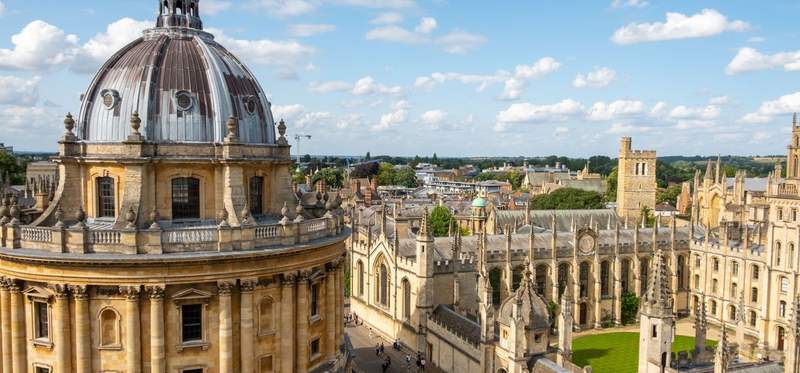
The United Kingdom hosts some of the oldest and most respected universities in the world, and its degrees are recognised by employers everywhere. For Pakistani students the appeal is practical: a taught master's is usually completed in twelve months, undergraduate honours degrees in three years, and the whole application runs through UCAS or directly with the university. The Student Route visa is a points-based application, which means a well-prepared file with a CAS from a licensed sponsor, honest financial evidence and clear academic history is assessed on documented facts rather than guesswork.
Why choose United Kingdom?
World-ranked institutions
A large share of the world's top-100 universities sit in the UK, with strong research output across almost every discipline.
Shorter, focused degrees
A one-year master's cuts both tuition and living costs compared with two-year programmes elsewhere.
Graduate Route
Eligible graduates may apply to stay and work for a period after completing their degree, subject to current Home Office rules.
Familiar academic system
Pakistani intermediate, A-Level and HEC-recognised bachelor's qualifications are widely understood by UK admissions teams.
Large Pakistani community
Established communities in London, Birmingham, Manchester and Glasgow make settling in considerably easier.
Top universities
- University of Oxford
- University of Cambridge
- Imperial College London
- University College London
- University of Manchester
- University of Edinburgh
- King's College London
- University of Warwick
Popular courses
Eligibility requirements
- Matric, intermediate or A-Levels for undergraduate entry; a recognised bachelor's degree for master's entry
- IELTS, PTE Academic or an accepted equivalent — most universities look for an overall 6.0–6.5 band, with some programmes asking higher
- A CAS (Confirmation of Acceptance for Studies) issued by a Home Office licensed sponsor
- Evidence of tuition plus maintenance funds held for the required period
- A passport valid for the duration of travel
- Tuberculosis test certificate from an approved clinic in Pakistan
Required documents
- Valid passport and previous passports, if any
- Academic transcripts, certificates and degree attestations
- English language test result
- CAS letter and offer letter
- Bank statements and account maintenance certificate
- Sponsor affidavit and proof of relationship, where a sponsor is funding you
- TB test certificate
- Passport-size photographs to the required specification
- CV and statement of purpose, where the university asks for one
Tuition fees
Roughly £11,000–£22,000 per year for most taught undergraduate and master's programmes. Clinical, medical and some business courses at highly ranked universities run higher.
Living expenses
Budget approximately £900–£1,400 per month outside London and £1,300–£1,900 in London, covering accommodation, food, transport and personal costs.
Intake months
September/October is the main intake, with a substantial January/February intake and a smaller May intake at selected universities.
Work while studying
Students on a full-time degree-level course are generally permitted to work a limited number of hours per week during term time and full time during vacations, in line with the conditions printed on the visa. Always follow the exact conditions on your own grant letter.
Post-study opportunities
The Graduate Route currently allows eligible graduates to remain in the UK to work or look for work for a set period after completing an eligible course. Rules are reviewed regularly by the Home Office, so we confirm the position that applies on the day you apply.
Why choose Sky Heights Travels for your United Kingdom application?
We are not a form-filling service. Every United Kingdom file we submit is built the same way — honestly, in order, and with you understanding each step before it happens.
University selection
We shortlist against your grades, budget and timeline — not against whoever pays the highest commission.
Admission guidance
Programme choice, entry requirements and deadlines mapped out before you spend a rupee on applications.
Application processing
Forms, portals and university correspondence handled and tracked so nothing sits waiting on a missed e-mail.
Visa file preparation
The file is assembled to what the mission actually looks for, with every claim supported by a document.
United Kingdom student visa — frequently asked questions
How long does a UK Student Route visa application take?
Standard processing for applications submitted from Pakistan is typically a few weeks after biometrics, though timelines shift with seasonal volume. Applying early in the intake cycle is the single most useful thing you can do.
Can I apply to the UK without IELTS?
Some universities accept alternative evidence such as a Medium of Instruction letter or their own internal assessment for certain programmes. It depends entirely on the institution and the course level, and we check this before shortlisting.
How much bank balance is required?
You must show tuition for the first year plus maintenance funds at the rate set by the Home Office, held for the required consecutive days before applying. The exact figure depends on your course length and whether you study inside or outside London.
Can I take my spouse with me?
Dependants are only permitted for certain course types and levels under current rules. We assess your specific programme before you make any plans.
Is a study gap acceptable?
Many UK universities accept study gaps where you can explain the period credibly with work experience or documentation. A gap is not automatically a refusal reason.
General guidance only. Fees, funds, intakes and eligibility differ by institution, programme and applicant profile, and immigration rules change — we confirm the requirements that apply to your case in writing before you start collecting documents.
Next step
Need personalised guidance for your United Kingdom student visa?
Our consultants will help you choose the right university, prepare your documents and guide you through the entire visa process — from shortlist to departure.